
Why the Badgingarra Deposit Matters
Diatomaceous earth (DE, or diatomite) is a highly porous, siliceous sedimentary rock composed of the fossilized frustules (silica shells) of diatoms. Its unique microstructure — very high internal surface area with interconnected microporosity — gives DE exceptional absorptive, filtration, and adsorptive properties that are widely used in agriculture, industry, and environmental applications. This article explains DE’s mineralogical makeup, the geological setting of the Badgingarra (Western Australia) deposit, the physical mechanisms that make DE effective, and why its natural form is valued across industries.
1. Mineralogy and Composition
Diatomaceous earth is predominantly amorphous silica (opal-A, SiO₂·nH₂O) derived from the frustules (shells) of diatoms — microscopic algae with intricate silica skeletons. Oven-dried DE typically contains 80–90% silica, with small amounts of alumina (clays), iron oxides, and trace minerals. The abundance of amorphous silica underlies its high porosity, low density, and large surface area.
2. Microstructure — The Architecture of Frustules
Each diatom frustule is a finely patterned, porous silica microstructure. Billions of these accumulate to form deposits with:
- Extremely high porosity for moisture uptake.
- Large surface area for adsorption of volatile molecules.
- Physical desiccation properties that can dehydrate insects on contact.
These effects are physical rather than chemical, driven by absorption, adsorption, and capillary action.
3. Geological Setting — The Badgingarra Deposit
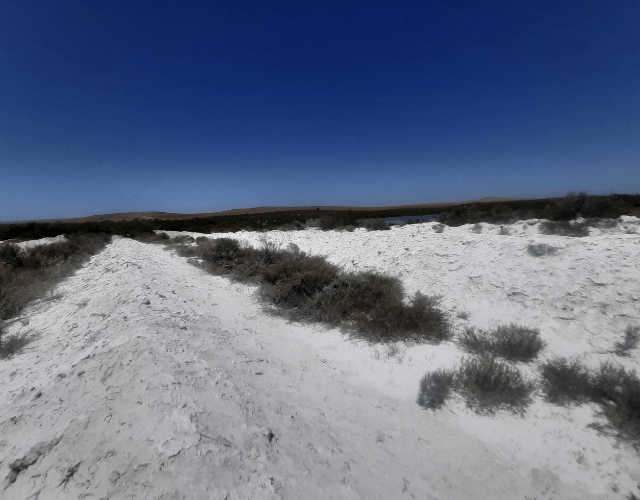
The Badgingarra diatomite deposit, located in Western Australia’s mid-west, is a lacustrine (freshwater lake) deposit. Geological surveys show it to be one of several significant diatomite resources north of Perth. Its freshwater origin generally produces diatomite with excellent absorptive capacity. Taxonomic analysis suggests freshwater diatom species such as Pinnularia and Navicula dominate, influencing pore structure and overall performance.
4. Mechanisms of Functionality
Diatomaceous earth is effective because of its unique structure:
- Absorption: Rapid uptake of liquid into its pore network, immobilising fluids.
- Adsorption: Binding of odorous or volatile molecules onto its vast surface.
- Moisture control: Desiccation limits microbial growth, reducing odours and contamination.
- Mechanical insect control: Fine particles damage insect cuticles, leading to dehydration.
5. Why Provenance Matters
Not all DE performs equally. Key factors include:
- Diatom species: Shape and pore size vary, affecting performance.
- Purity: Clay or sand contaminants reduce absorbency.
- Degree of diagenesis: Older deposits may show silica recrystallisation, reducing porosity.
The Badgingarra deposit’s freshwater origin and relatively young geological age make it particularly suitable for absorbent and filtration applications.
6. Applications Across Industries
DE is widely used in:
- Filtration — brewing, winemaking, and water treatment.
- Absorbents — for moisture and odour control.
- Agriculture — as an insect control agent and soil amendment.
- Industrial uses — fillers, insulation, and carriers for chemicals.
Conclusion
Diatomaceous earth is a naturally occurring, highly functional material whose performance derives from the microscopic architecture of diatom frustules. The Badgingarra deposit in Western Australia is notable for its freshwater origin, high purity, and strong absorptive capacity, making it an important geological resource. Its unique absorptive and adsorptive properties underpin its diverse applications in filtration, agriculture, industry, and environmental management.
For more information, contact [email protected]
#DiatomaceousEarth #HudsonDE #BadgingarraWA #FreshwaterDE #NaturalSilica #EcoFriendlyAgriculture #SustainableFarming #SoilHealth #SoilAmendment #GardeningTips #PestControlNaturally #InsectControl #PetCareSolutions #EcoFriendlyCleanup #DogPeeCleanup #ChickenCoopBedding #PoultryHygiene #OdourControl #NaturalDeodorizer #CompostEnhancer #Horticulture #PlantHealth #OrganicFarming #EcoFriendlyGardening #GardenCare #AgTech #SustainableLiving #GreenCleaning #EnvironmentallyFriendly
ChickenKoop™ CleanUp is Australia’s leading chicken coop bedding solution, using natural diatomaceous earth and attapulgite clay to absorb moisture, reduce ammonia, control odour, and deter pests. Perfect for laying hens, backyard chickens, and poultry farms, it keeps bedding dry, hygienic, and eco-friendly, making it the best bedding for poultry in Australia.
Email: [email protected]
Website: http://www.chickenkoop.com.au
#chickencoopbedding #chickenbeddingabsorbent #poultrybeddingAustralia #bestbeddingforlayinghens #reduceammoniainchickencoop #odourcontrolforchickencoop #naturalchickenbedding #safebeddingforpoultry #chickencooppestcontrol #chickencoophygiene #backyardchickenbedding #farmpoultrybeddingsolutions #keepchickencoopdry #ecofriendlychickenbedding
#OrecoGroupBedding #EcoAnimalBedding #EnfieldProduceChickenBedding #HeritagePoultryBedding #AussieChookSupplies #NestyBoxesBedding #TalkingHensChickenBedding #DineAChookBeddingSolutions #TheGoodLifeBackyardSupplies #TassieBirdAndPoultrySupplies #MyFavoriteChickenHempBedding #SuperiorShavingsPineBedding #BreedersChoicePoultryBedding #RockyPointAniStrawPoultryBedding chickenfarmingAustralia #backyardchickenfarming #poultryfarmingAustralia #smallscalepoultryfarming #poultryfarmnearme #chickenfarmequipmentAustralia #poultryfarmsupplies #sustainablepoultryfarming #organicchickenfarming #freerangechickenfarmingAustralia #chickencoopbeddingAustralia #bestbeddingforchickens #chickenbeddingforodourcontrol #absorbentchickenbedding #safechickenbedding #naturalchickenbedding #chemicalfreechickenbedding #chickencoophygiene #chickencoopcleaningsolutions #poultrybeddingmaterials #chickenhealthmanagement #poultrydiseaseprevention #chickenparasitecontrol #backyardchickenhealth #poultryvaccination #chickenfoothealth #layinghencare #poultrybiosecurityAustralia #chickencooppestcontrol #chickencoopodourcontrol #naturalpestcontrolforchickens #flycontrolinchickencoops #mitetreatmentforchickens #licecontrolinpoultry #ammoniaodourinchickencoops #sustainablepoultryfarmingpractices #costeffectivechickenbedding #ecofriendlypoultryfarming #reducingpoultryfarmingcosts #efficientchickencoopmanagement #poultrywastemanagement #compostingchickenbedding #renewablebeddingmaterials
#PoultryKoopCleanUp, #DiatomaceousEarth, #FreshEggs, #AmmoniaOdourControl, #NaturalPoultryCare, #CleanChickenCoop, #BackyardChickens, #AustralianDiatomaceousEarth, #HygienicNesting, #HealthyHens, #SafeForBirds, #EggQuality, #PoultryOdourControl, #ChickenCoopCleaning, #SustainableFarming
 AUS Diatomaceous Earth & Attapulgite Clay Supplier
Leave a comment