

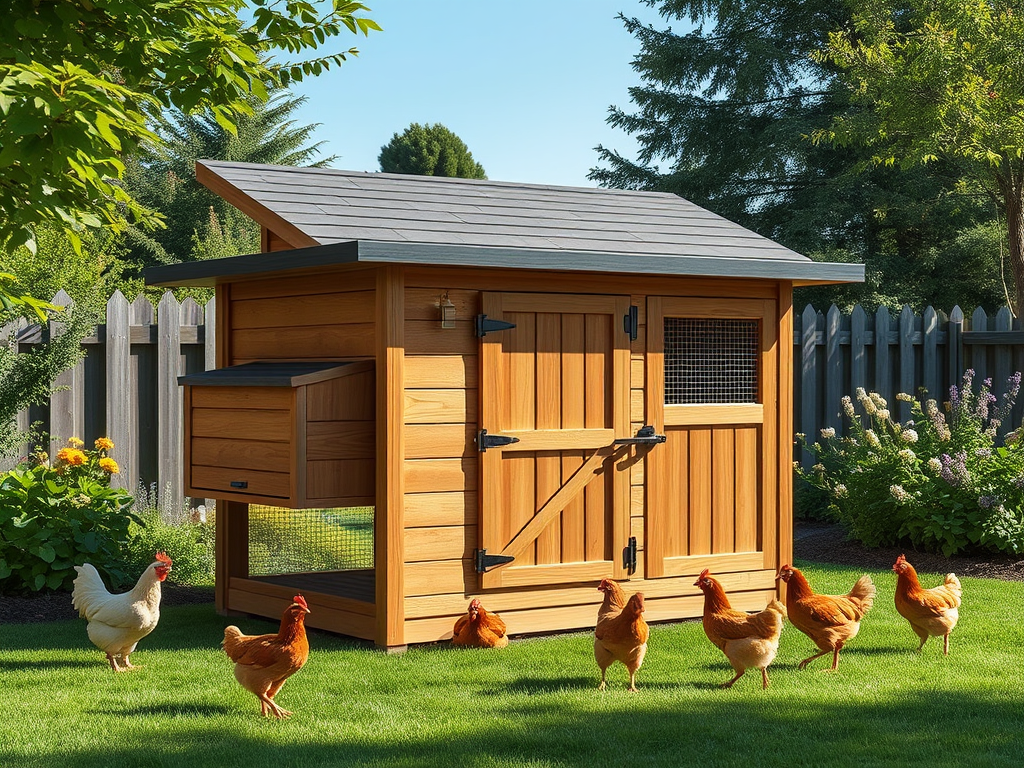
Whether you’re a seasoned farmer or a backyard enthusiast, choosing the right chicken coop is a big decision. Your flock’s home affects health, productivity, maintenance and how enjoyable the whole experience is. We’ve pulled together the key things to look for when buying a coop — so you can make a smart choice that lasts.
1. Know Your Flock & Your Space
Before you invest in a coop, start with the basics: how many birds you plan to house, their size/breed, and how much space you have. Smaller hobby flocks may need less room; larger farms will scale accordingly. According to experts, “There is no one size fits all … your flock size, space, personal taste and other requirements will all play a role in your decision.” Omlet+1
Key questions:
- How many hens (or hens + rooster) will you keep?
- Will they free-range or be mostly confined to a run/cooped area?
- Do you have space constraints (e.g., backyard vs rural acreage)?
- What are your future plans — will you scale up?
2. Must-Have Features: Security, Ventilation, WeatherproofingWhen buying a coop, there are some features you simply can’t skip.
- Security / Predator proofing: Chickens are vulnerable to foxes, rats, wild animals — so the coop must be strong, sealed and lockable. Omlet+1
- Ventilation: Fresh air is critical to avoid ammonia build-up, moisture and poor health. “A well ventilated chicken coop will ensure that plenty of fresh air gets inside.” Omlet+1
- Weather & insulation: Whether you’re in a hot or cold region, the coop must protect from extremes — rain, wind, heat, cold. Good design and materials matter. Omlet+1
3. Materials, Durability & Ease of Maintenance
Buying a coop isn’t just about the upfront purchase — consider long-term durability and how easy it will be to manage.
- Look for quality materials (treated timber, metal mesh, robust latches). Co-ops built cheaply often have weak durability. Hobby Farms+1
- Cleaning access is hugely important. Removable trays, easy‐open doors, and accessible runs save you time and headaches. A “clean coop makes for a healthier flock.” Hobby Farms+1
- Think about maintenance costs: cleaning, bedding, repairs. A well‐designed coop reduces labour and cost over time.
4. Size & Layout: Roosts, Nesting Boxes, Space
Your coop must provide key internal features for the comfort and productivity of your birds.
- Nesting boxes: Ideally one nest box for every 3-4 hens. Omlet+1
- Roosting space: Elevated bars where the birds sleep. Space per bird matters. Poultry Keeper+1
- Enough floor/run space: Overcrowding leads to stress, feather pecking and lower egg production. Homes and Gardens+1
5. Location & Zoning Considerations
Whether you’re on a farm or suburban backyard, location and rules matter.
- Check local council or zoning regulations: some areas restrict number of birds, or exclude roosters. Pinnacle Hardware+1
- Consider placement: ideally morning sun, afternoon shade, good drainage, accessible for you. Pinnacle Hardware
- For hobbyists especially: near the house for accessibility, but far enough to avoid annoyance (smell, pests).
6. Budget vs Value: What’s Worth Spending On?
You get what you pay for — but you don’t have to overspend for your first setup.
- A budget coop might suffice for a small backyard flock, but if you see yourself scaling or farming, investing in durability pays off. Hobby Farms
- Consider long-term costs: feed, bedding, cleaning, repairs. A cheap coop today could cost more later.
- Choose a model that’s scalable or modular if you might expand.
7. Brand New vs Used / DIY Options
There are three common routes: buy new prefab, buy second-hand, or build yourself.
- New prefab: ready to install, often warranty, predictable quality. Good for beginners.
- Used: cost-effective, but check for disease history, wear & tear, and clean/disinfect thoroughly. Hobby Farms
- DIY build: gives full control over design and cost, but takes time, tools and know-how.
8. Why Coop Choice Matters — For Your Flock & For You
A good coop means healthier, happier chickens — which leads to more eggs, less stress, fewer losses. For you, it means less maintenance, better value, and more enjoyment in the process.
When your coop is designed well and maintained, you’ll spend less time worrying about disease, predators or mess — and more time enjoying the results.
9. How ChickenKoop™ Refresh Fits In
Once you’ve chosen your coop, one of the best ways to protect your investment and keep your flock at peak health is by integrating smart maintenance. That’s where ChickenKoop™ Refresh comes in: designed to enhance coop hygiene, control odours, simplify cleaning and keep your coop fresh — so your birds thrive and your chores reduce.
Stay Fresh – Grab it Fast!
10. Quick Buyer’s Checklist
- Size is correct for your flock & future growth
- Predator-proof and secure
- Good ventilation + weather protection
- Quality materials, easy to clean
- Nesting boxes + roosts included
- Legal/zone compliance checked
- Budget aligns with value & expected lifespan
- Maintenance plan in place (bedding, cleaning, odour control)
Final Thoughts
Whether you’re running a small hobby farm or full-scale chicken enterprise, choosing the right coop sets the foundation for success. Take your time, ask the right questions, and invest smart. Once your coop is sorted, adding a hygiene boost with something like ChickenKoop™ Refresh will help keep things running smoothly for years.
Happy chicken-keeping!
contact us
E: [email protected]
P: 02 9251 7177
W: http://www.chickenkoop.com.au
Keep Your Chicken Coop Clean and Fresh with ChickenKoop™ Refresh
- Improve Ventilation – Ensure proper airflow in your chicken coop with windows, vents, or fans. Using ChickenKoop™ Refresh in your coop maintenance, coop hygiene, and coop odour control routine keeps bedding dry, reduces ammonia build-up, and maintains a fresh coop for backyard chickens and hobby farm chickens.
- Deep Litter Method – Layer organic materials like straw, wood shavings, or hemp bedding in your chicken coop and mix in ChickenKoop™ Refresh. This combination enhances coop bedding, supports natural odour control, reduces ammonia, and helps create nutrient-rich compost, keeping your clean and fresh coop healthy for happy hens.
- Regular Cleaning – Remove droppings and replace bedding consistently. Incorporating ChickenKoop™ Refresh into coop cleaning, coop maintenance, and coop care tips makes it easier to maintain a chicken coop hygiene routine while keeping a fresh coop for backyard chickens and hobby farm chickens.
- Natural Odour Control – Use baking soda, diatomaceous earth, or herbs like lavender and mint in your chicken coop. Adding ChickenKoop™ Refresh provides superior coop odour control, keeps bedding dry, enhances coop hygiene, and ensures a clean and fresh coop for happy hens, while supporting your deep litter method.
- Moisture Management – Keep bedding dry to prevent ammonia and moisture build-up in your chicken coop. ChickenKoop™ Refresh absorbs moisture, supports coop ventilation, enhances coop bedding, aids coop cleaning, and ensures a fresh coop for backyard chickens, hobby farm chickens, and healthy egg production.
Posts
#chickencoopcleaning, #chickencoop, #cooprefresh, #coopodourcontrol, #chickencoophygiene, #bestbeddingforchickens, #deepLittermethod, #compostingchickenmanure, #predatorproofcoop, #pestcontrolcoop, #ratsinchickencoop, #chickencoopventilation, #hobbyfarmchickens, #backyardchickens, #raisingchickensinbackyard, #smallflockkeeping, #chickencoopsupplies, #chickencoopmaintenance, #freshcoop, #stayfreshcoop, #ChickenKoopRefresh, #happychooks, #cleanandfreshcoop, #coopcaretips
#chickencoopcleaning, #chickencoop, #cooprefresh, #coopodourcontrol, #chickencoophygiene, #bestbeddingforchickens, #deepLittermethod, #compostingchickenmanure, #predatorproofcoop, #pestcontrolcoop, #ratsinchickencoop, #chickencoopventilation, #hobbyfarmchickens, #backyardchickens, #raisingchickensinbackyard, #smallflockkeeping, #chickencoopsupplies, #chickencoopmaintenance, #freshcoop, #stayfreshcoop, #ChickenKoopRefresh, #happychooks, #cleanandfreshcoop, #coopcaretips #PoultryFarming #SustainablePoultry #CarbonFootprint #GHGReduction #RenewableEnergy #EnergyEfficiency #PoultryWasteManagement #EggProduction #DiatomaceousEarth #AttapulgiteClay #AmmoniaControl #MethaneReduction #Composting #Biofertilizer #OdourControl #PoultryLitter #EcoFriendlyFarming #GreenFarming #FarmSustainability
 AUS Diatomaceous Earth & Attapulgite Clay Supplier
Leave a comment