
DIATOMACEOUS EARTH for Pest Control
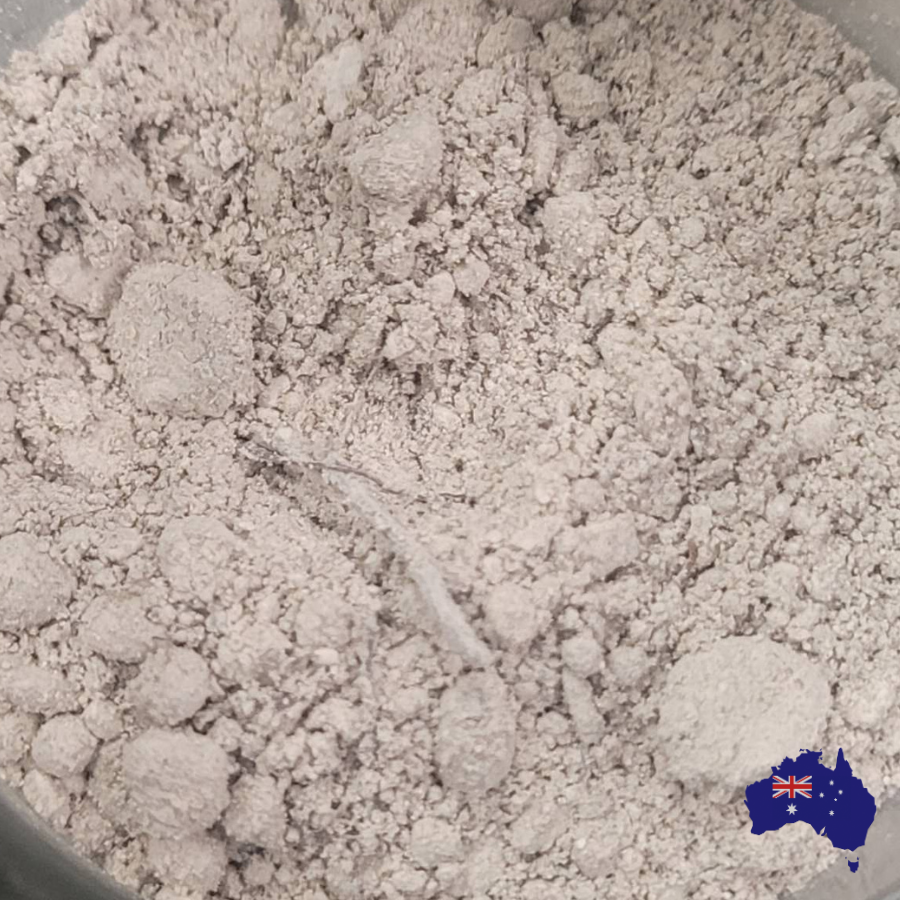
Our Diatomaceous Earth (DE) also known as Organic Fossil Shell Flour, is a natural and organic form of pest control. While its primary uses is as a natural soil conditioner and fertilizer, its characteristics can assist in pest management.
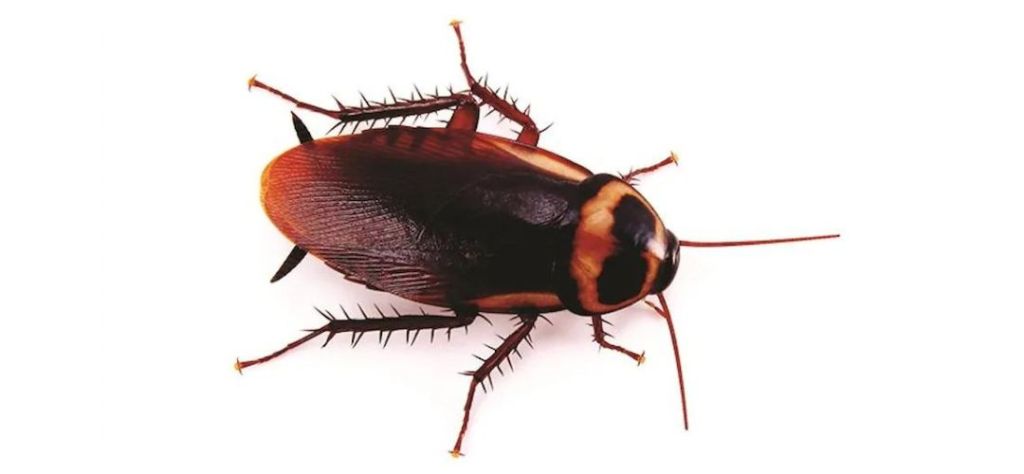
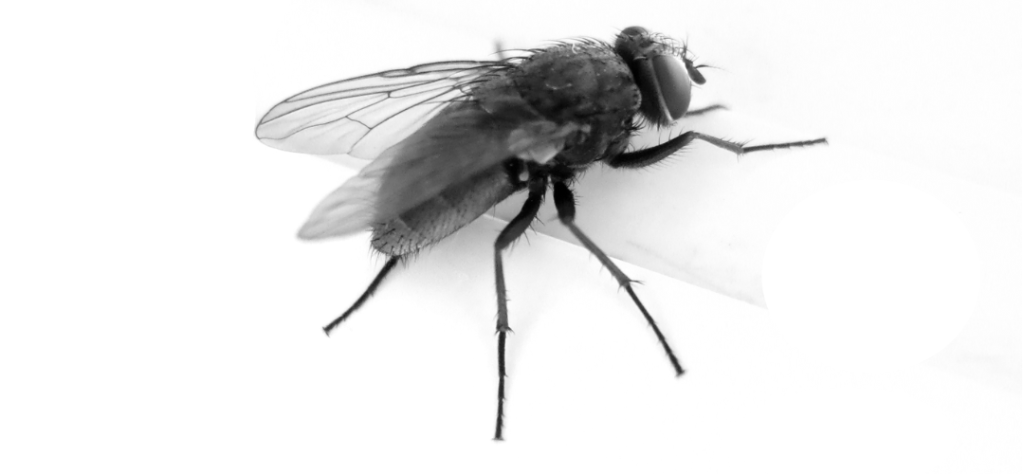
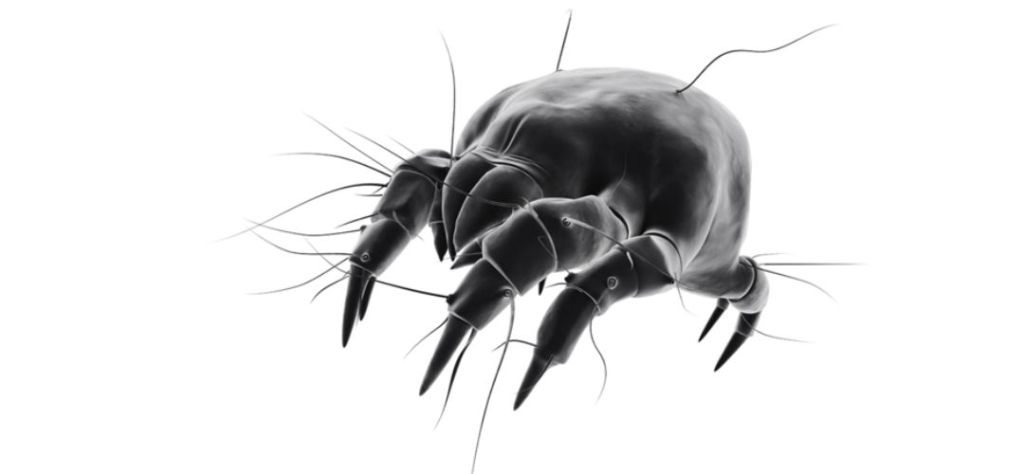
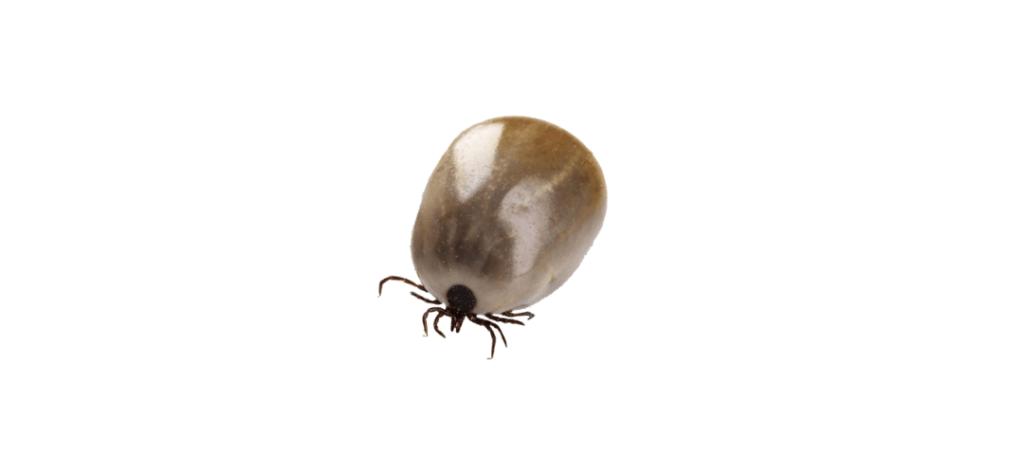
Diatomaceous Earth takes a physical action against small, soft bodied pests such as mites, gnats, cockroaches, ants and earwigs. An effective solution to grain or plant protection.
How does it work
Diatomaceous Earth mode of action is physical. The sharp, microscopic particles of DE, scrape away the outer covering of their exoskeletons, which normally functions to retain moisture. As a result, the affected pests gradually dry out and die from dehydration.
Its worth noting DE does not not harm certain insects like earthworms. As long as the DE is only sprinkled on top of the soil to allow worms to slowly digest it and work it in.
Where Can Diatomaceous earth be used
Our Diatomaceous Earth is amorphous, not crystalline. However as it comes in powder form. Always use a dust mask and gloves when applying.
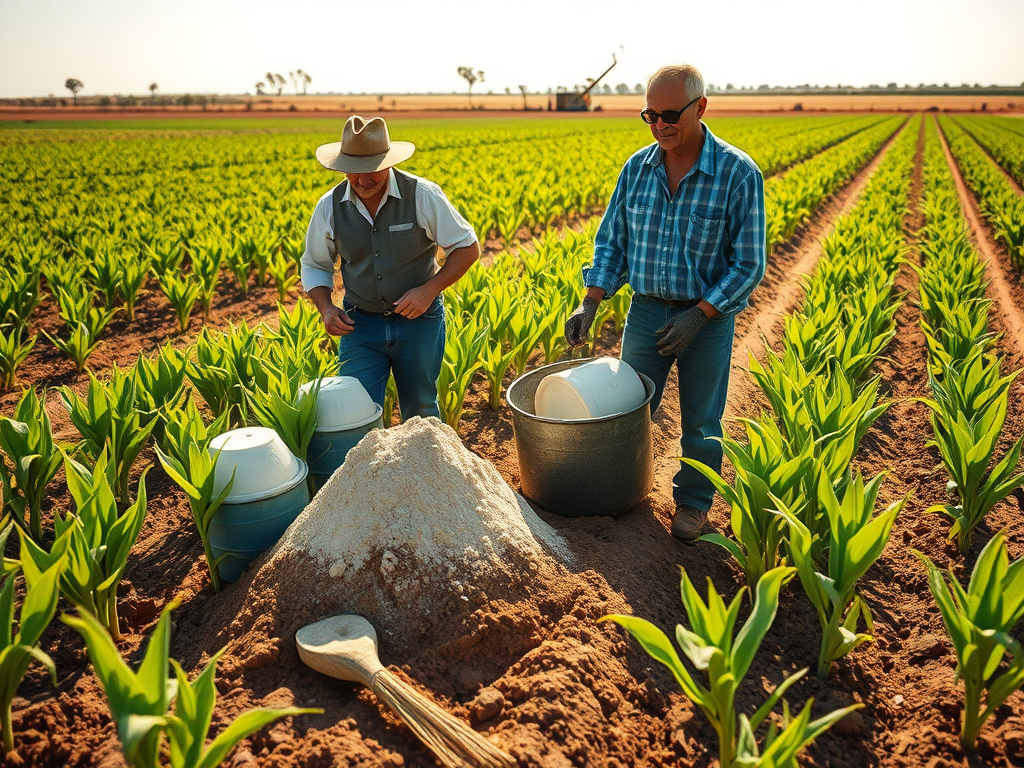
Our DE can be used in numerous areas, including the backyard garden, green houses, crops, poultry floor, and silos. Please note for DE to work it must be present in the environment and its method of application determines its use and effectiveness.
Order Diatomaceous Earth
| Our Diatomaceous Earth is cost competitive and straight from the source |
| Amorphous Silica |
| Contact us for a sample for lab scale testing |
| Stockist opportunities available |
Available in 1 tonne Bulka Bags
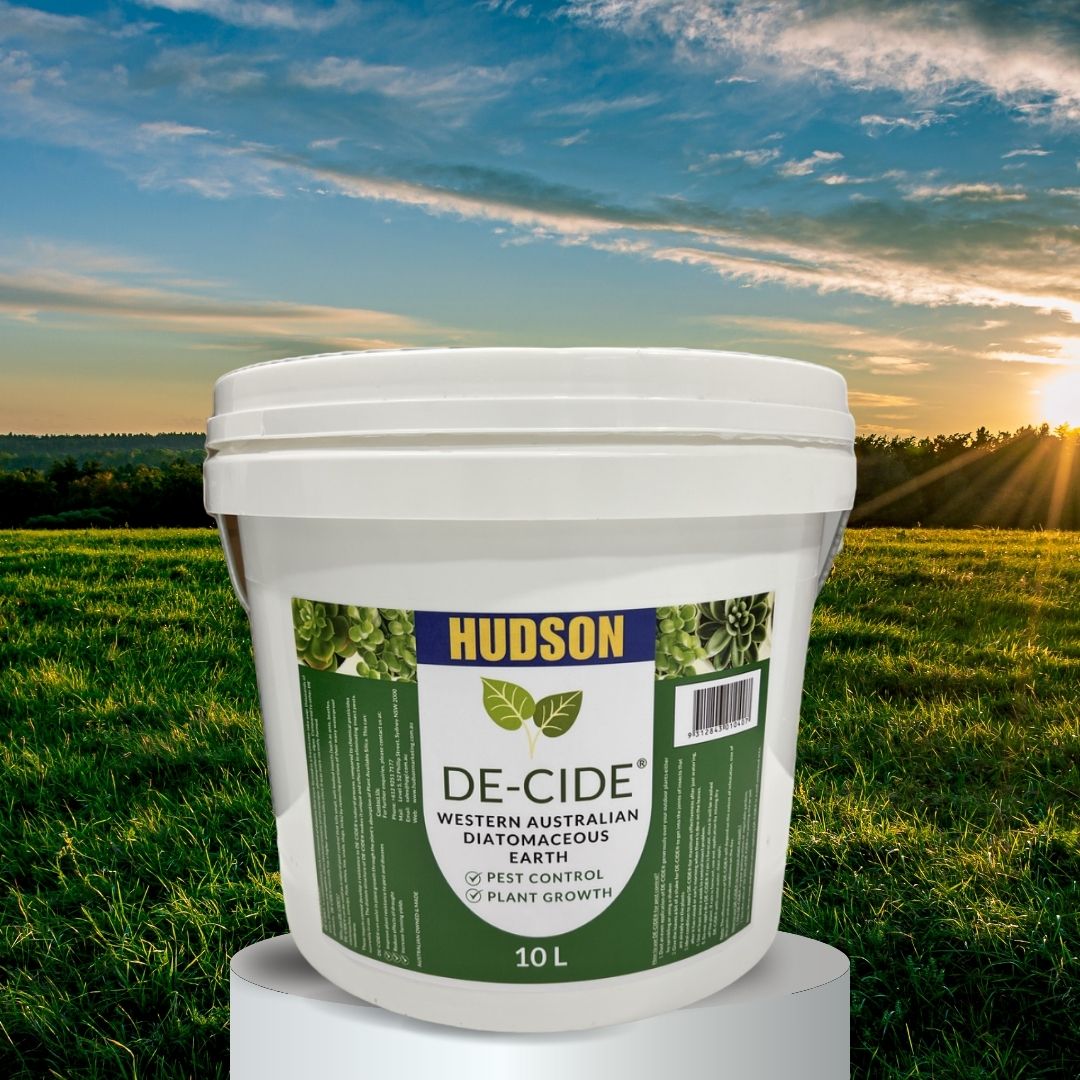
Available in 10L Tub pallet configurations

APPLICATION of Diatomaceous EArth
The application of DE will be dependent on the extent of the infestation, the size of the pest(s) and weather conditions of the day.
It can either be sprinkled on or applied with a shaker. It is important to note that DE may take a several days to eradicate the problem. During this time, it is expected there will be some plant loss
In the event rain is forecast,
- do not apply the dry powder as it will be washed off the plant
- use the wet form of DE by combining some water with the DE powder
- coat the plant in ideal conditions for DE to adhere to the foliage and maximise its effectiveness
- just after watering,
- when it has rained, or
- early in the morning when there is dew on the leaves
To ue the dry diatomaceous earth product,
- dust an even application of the product generously over the plants,
- give the leaves a bit of a shake for the product to get into the joints of the crawling insects that are already in the plants.
- Use it at least once a week to control insect problems.
If you wish to make a wet application*
- 1 tablespoon of diatomaceous earth with water to fill a
- shake well, and
- lightly spray the foliage, under the leaves and on the top of the leaves
To use the dry diatomaceous earth product,
- dust an even application of the product generously over the plants,
- give the leaves a bit of a shake for the product to get into the joints of the crawling insects that are already in the plants.
- Use it at least once a week to control insect problems.
Apply DE to tomato and cucumber plants
Before treating your tomato and cucumber plants be sure that the insect is a harmful pest. DE can kill beneficial insects that help naturally control the harmful pests that destroy tomato plants.
- Apply a thin layer of DE around the base of each tomato/cucumber plant to help control pests that dwell in the soil
- Add the DE to a bulb puffer to control foliage pests by coating the tomato/cucumber plant’s foliage leaf tops and undersides.
- It is best to apply the DE after it rains or while the leaves are dewy to help the DE stay in place.
- Reapply the diatomaceous earth after it rains or if you no longer see it on top of the soil or foliage.
For information on how Diatomaceous Earth is used, please examine the necessary articles through search engines or consult organic gardening books, websites or forums. Based on our experiences and opinions, pests do not like Diatomaceous Earth.
Contact us
HAVE A QUESTION?


-
Your fertiliser is running out. Australia has an answer- attapulgite clay & diatomaecous earth
-
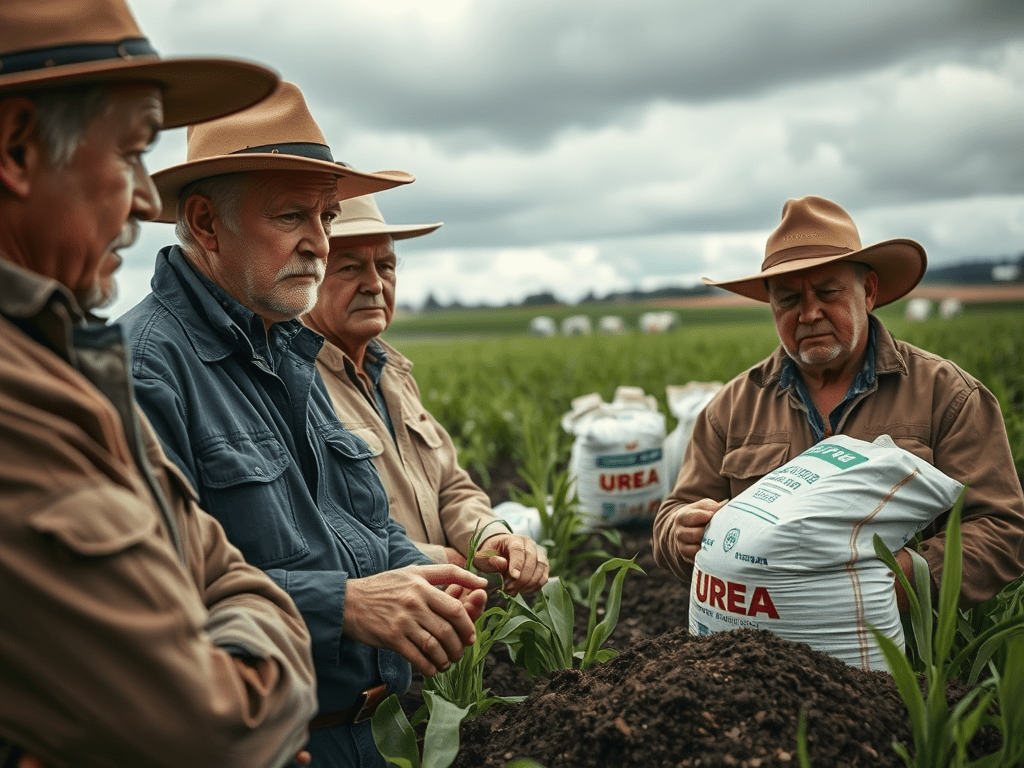
AUSTRALIAN FERTILISER SUPPLY CRISIS – Domestic alternatives, Soil strategies and Supply security
-

Attapulgite Clay for Agrochemical & Fertiliser Applications: Hudson AgriFix 102 & 103
-
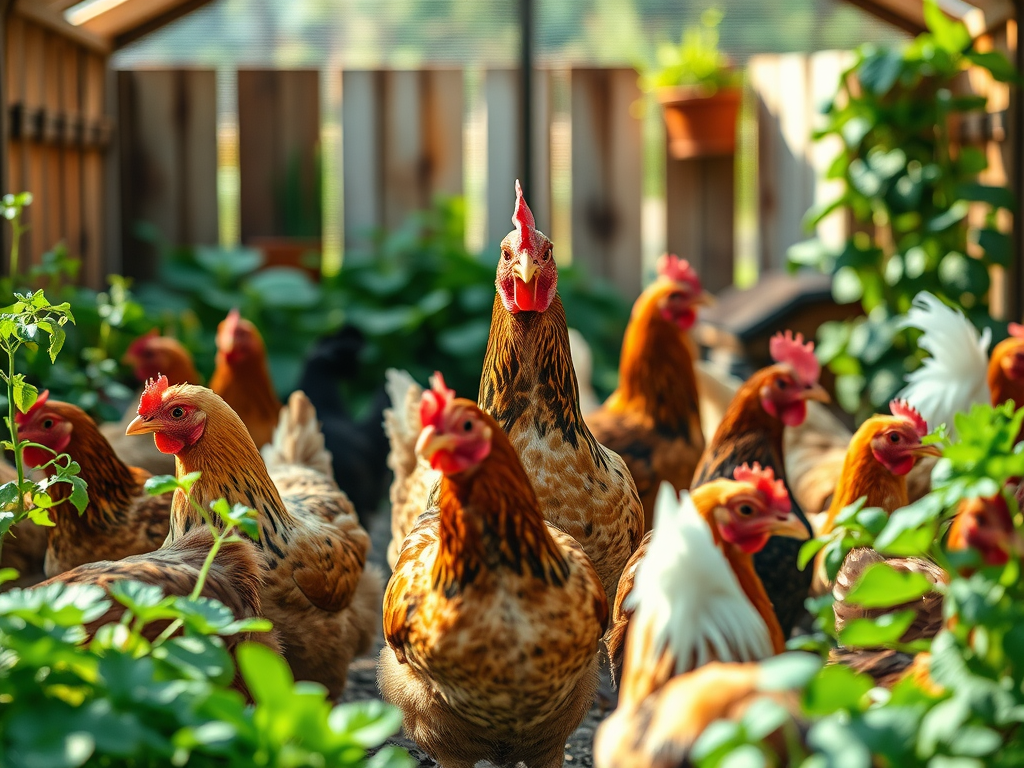
Why Healthy Chooks Are Australia’s Best Kept Food Security Secret
-
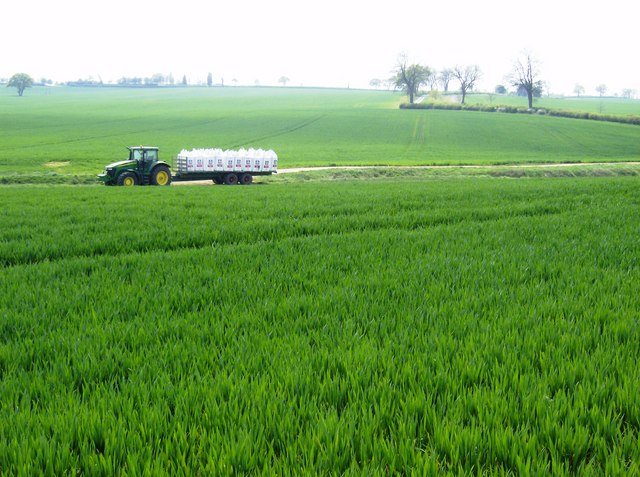
Is Your Fertiliser Supply Chain One Disruption Away From Crisis?
-

Australia as a Strategic Secondary Source for European and American Agrochemical Companies Targeting Asia Pacific
-
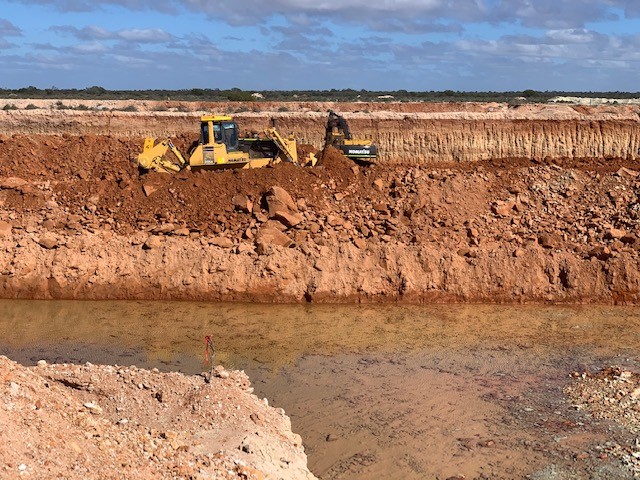
Australian Mineral Solutions for Asia-Pacific: Safe, Natural, and Reliable Alternatives for Agriculture, Fertiliser, and Pet Care
-
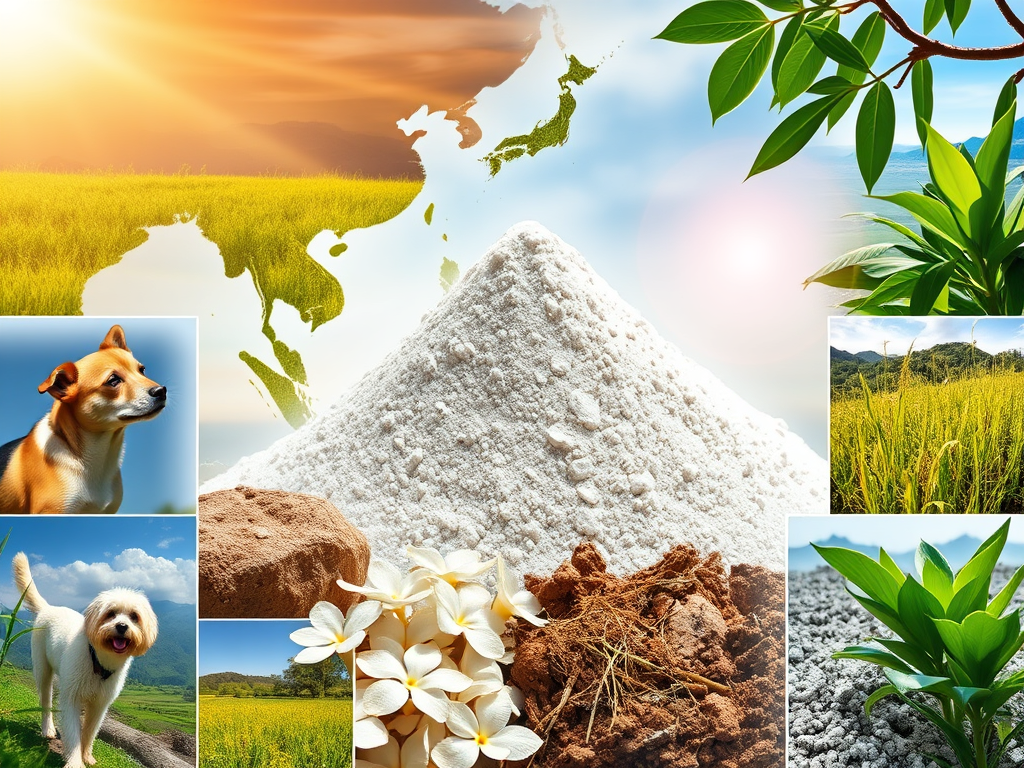
Functional Mineral Products for Asia-Pacific Markets: Pet Care, Agriculture, and Industrial Applications
-
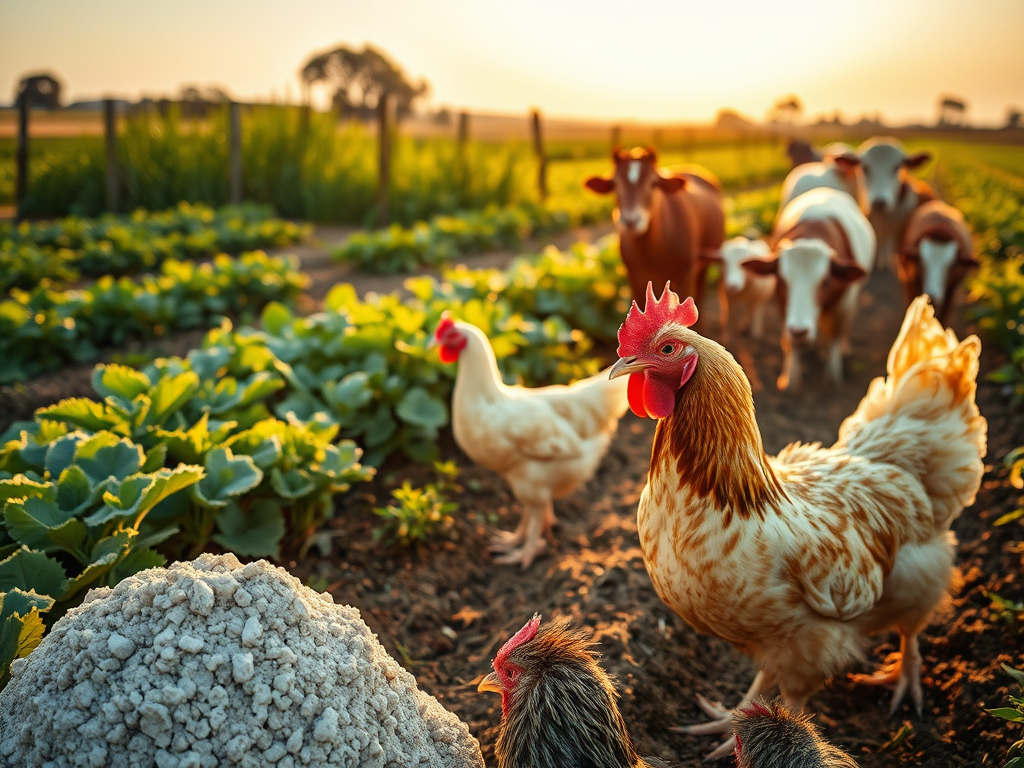
Natural Mineral Solutions from hudson: Attapulgite Clay & Diatomaceous Earth for Sustainable Farming, Animal Health and Aquaculture
-

Three Essential Industries That Keep Running in Times of Geopolitical Uncertainty – and how industrial mineral becomes even more essential
-

Impact of Rising Oil Prices, Geopolitical Uncertainty, and Freight Advantages or Hudson industrial minerals adsorbent / absorbent Products – attapulgite clay & diatomaceous earth
-
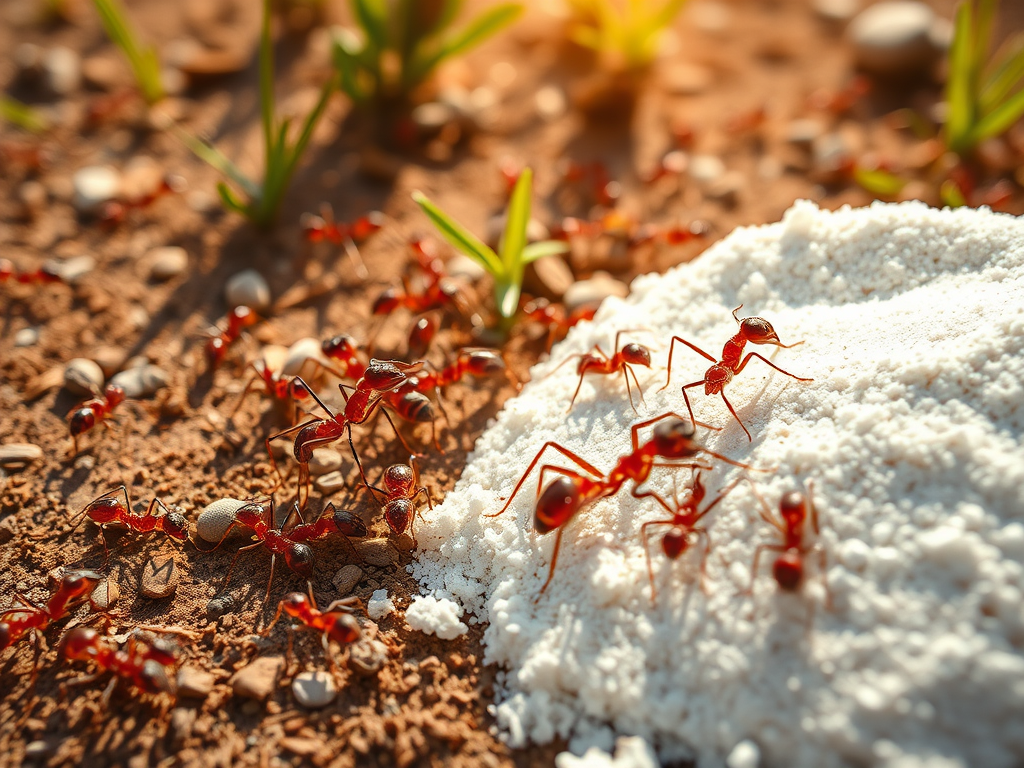
Fire Ant Control in Australia: Natural Mineral Solutions for Sustainable Pest Management using diatomaceous earth
-
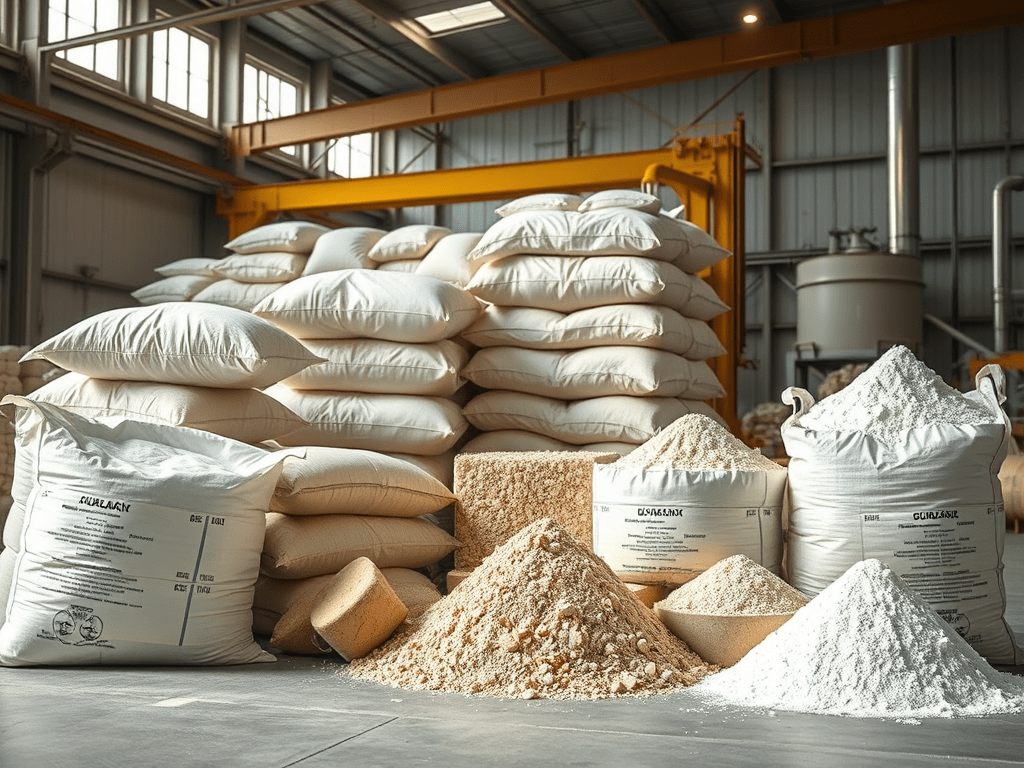
Australian Attapulgite Clay & Diatomaceous Earth: Supply certainty for Distributors in APAC, Singapore, South Africa, Middle East & New Zealand
-
Premium Australian Attapulgite Clay for Industrial Applications in Asia Pacific, Middle East & Africa
-
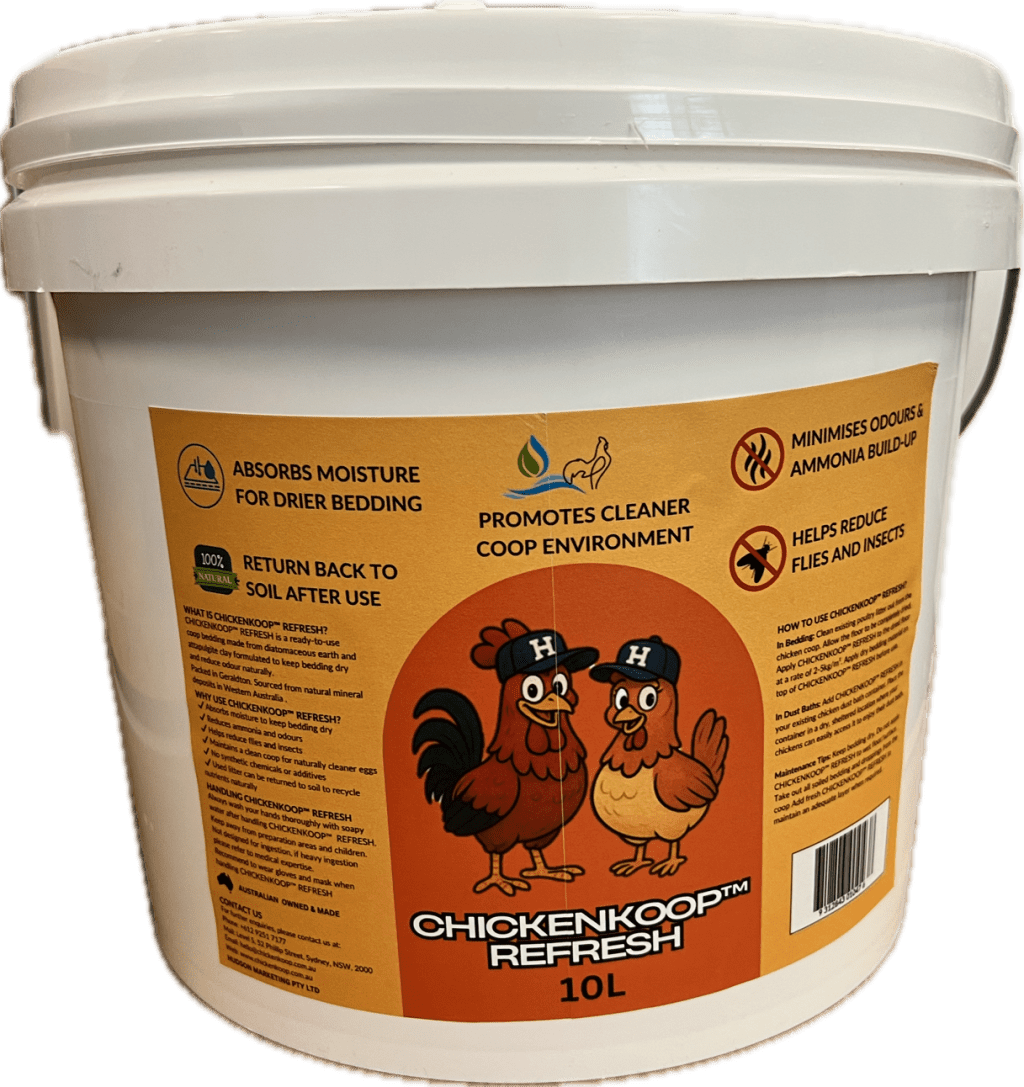
ChickenKoop Refresh — Natural Mineral Solution for Clean, Healthy Chicken Coops
-
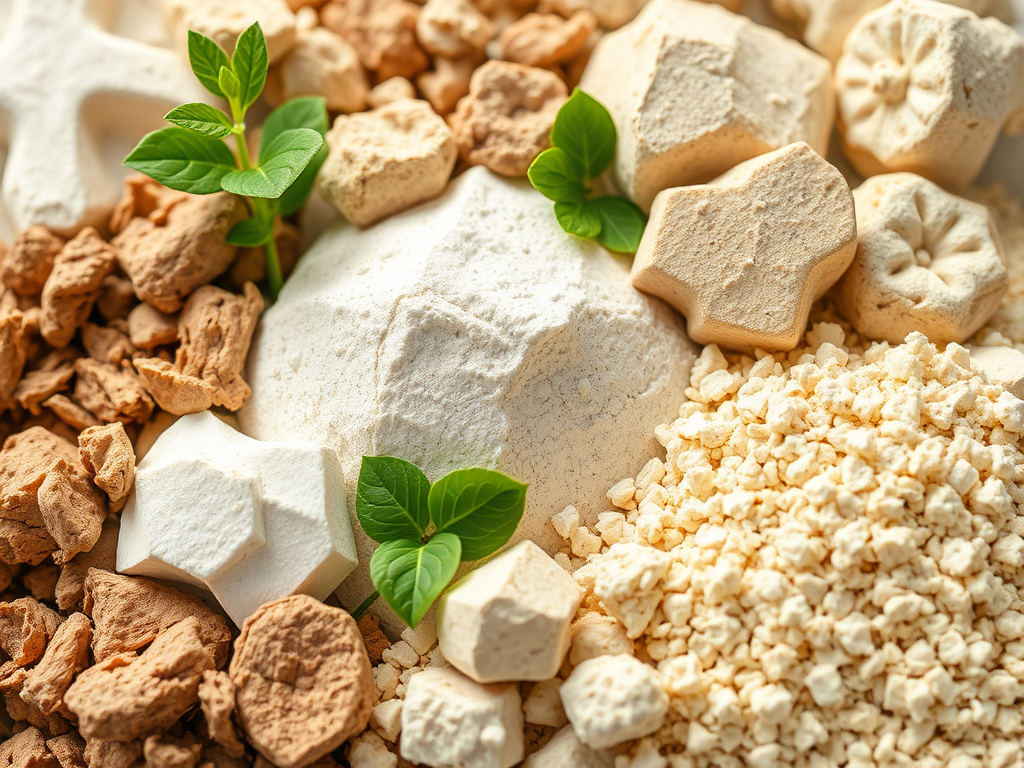
Australian Diatomaceous Earth and Attapulgite Clay for Multi-Industry Applications: natural solutions for us and earth
-

Eco-Friendly Odour Control in Australia: Mineral Powders for Pets, poultry & livestock and Agriculture
-
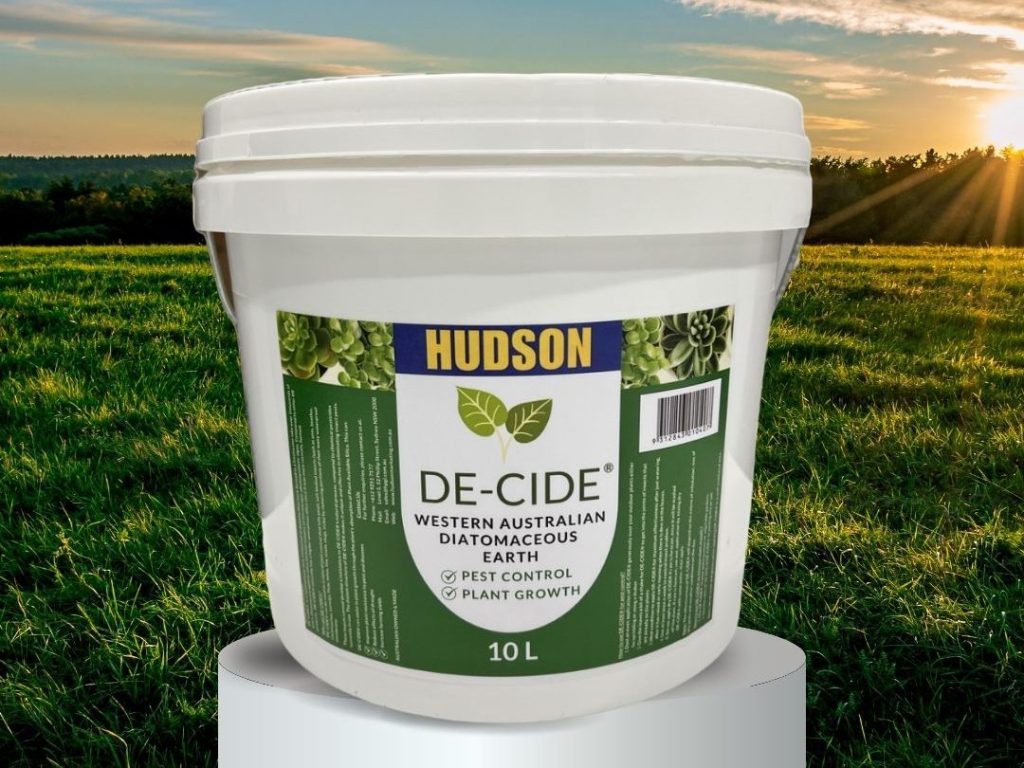
Find Natural Pest Control Solutions with Diatomaceous Earth (Diatomite / DE) in Australia
-
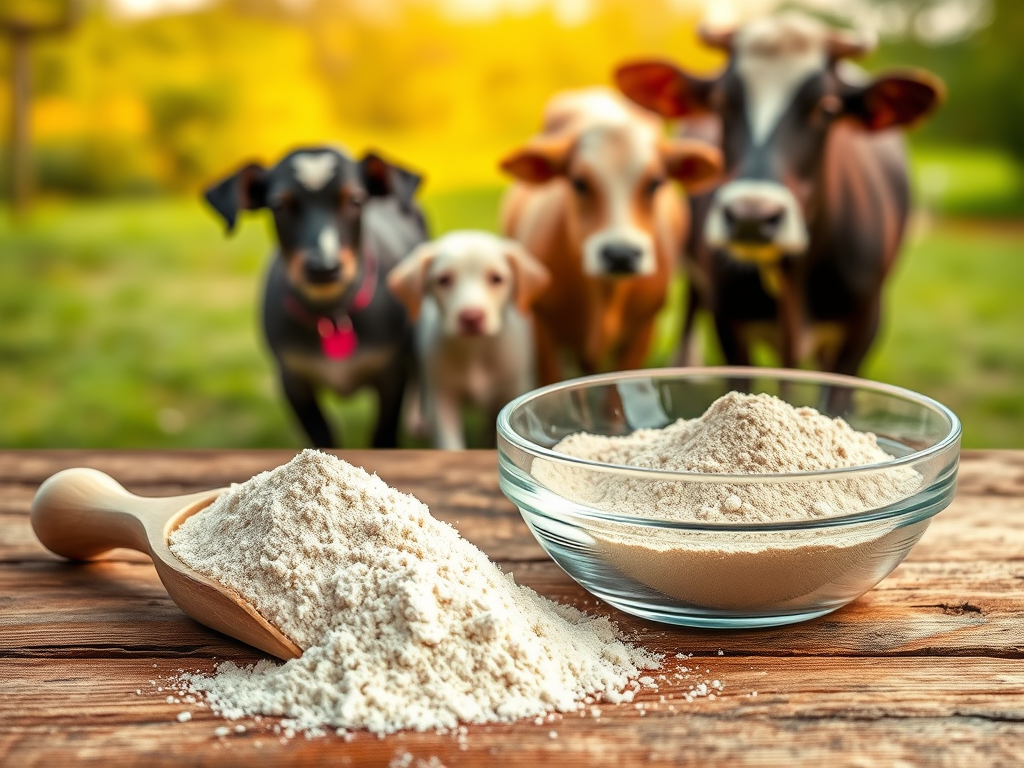
Why AUS DE Chooses Adsorbent Powders for Ammonia and Odour Control
-
Natural Adsorbent Powders: The Superior Solution for pets, Dog Odour and Ammonia Control for poultry & livestock
-

The Use of Diatomaceous Earth as a Natural Alternative to Chemical Pesticides in Agriculture and Horticulture
 AUS Diatomaceous Earth & Attapulgite Clay Supplier